
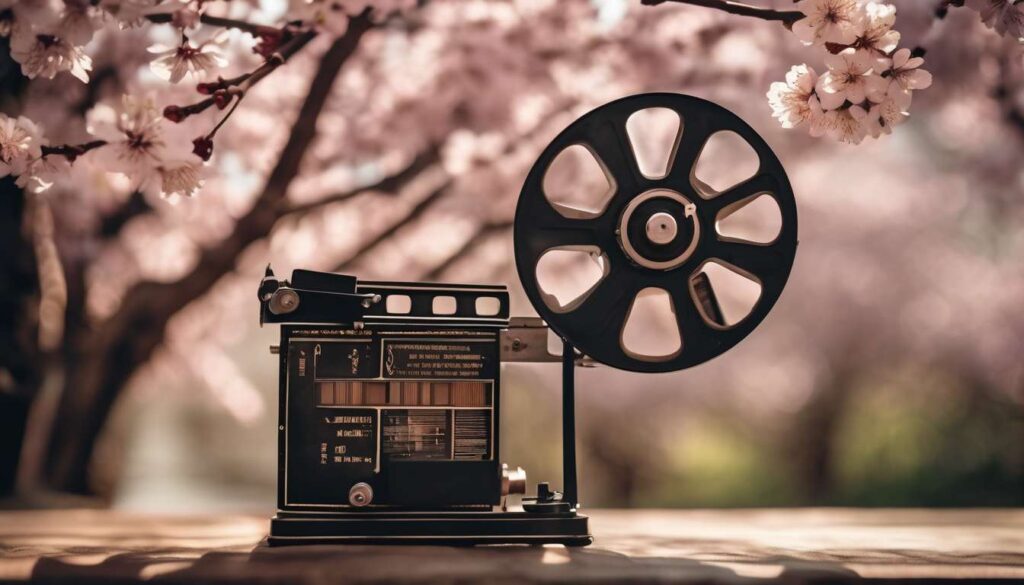
Every time we gather to sift through the archives, we are reminded of the afternoon we first stumbled upon an old reel tucked away amidst forgotten shelves. The film was a rare piece of 1930s Asian erotic cinema, a genre often locked in moral controversy yet rich in cultural history.
As we watched the footage flicker to life, we felt transported to an era where artistic expression flourished against a backdrop of societal constraints. Yet, a question lingered: Are we preserving art, or does the risk lie in perpetuating exploitation?
This delicate balance between reverence for historical significance and ethical responsibility creates a challenging terrain for historians and cinephiles. By delving into these films, we open dialogue on issues such as:
- Heritage
- Censorship
- Sexual norms
As custodians of this legacy, we must weigh our actions thoughtfully, channeling our curiosity into developing nuanced approaches that honor both past and present sensibilities.
The Historical Significance of Asian Erotica
Asian erotica holds a significant place in cultural history, offering insights into societal norms, artistic expression, and evolving views on sexuality. It’s more than just provocative art; it’s a window into our shared past, reflecting the values and restrictions that shaped entire societies.
Erotic Cinema Preservation involves a delicate dance between preserving art and respecting cultural sensitivities. This genre challenges us to understand the intricate balance between historical truth and modern perspectives.
Censorship Impact plays a crucial role in how we’ve historically perceived and preserved these works. Each film, each scene, becomes a testament to the era’s boundaries and the courage of artists who dared to push them. By acknowledging these impacts, we foster a deeper connection to our cultural identities.
As we explore these histories together, we realize that preserving this cinema isn’t just about the films themselves. It’s about:
- Embracing the conversations they provoke.
- Cultivating the community they help create.
In doing so, we not only preserve the art but also the dialogue and cultural understanding it inspires.
Challenges in Preserving Erotic Cinematography
Preserving Erotic Cinematography presents unique challenges as we navigate issues like degradation of materials, changing societal norms, and legal restrictions.
Material Degradation
As a community passionate about Erotic Cinema Preservation, we face the physical decay of films, a tangible reminder of time’s relentless march. These materials, often fragile, require specialized care to prevent their narratives from fading into oblivion. Our shared commitment to preserving these pieces fosters a sense of belonging among us, dedicated to safeguarding this cultural heritage.
Changing Societal Norms and Cultural Sensitivities
- What was once celebrated can now be viewed through a different lens.
- This challenges our efforts to maintain authenticity without offending contemporary values.
Censorship Impact and Legal Restrictions
- Legal frameworks vary widely across regions, impacting our preservation efforts.
- These restrictions can hinder our ability to archive and share these works fully.
Together, we must navigate these intricate landscapes to ensure these films continue to exist for future generations.
Navigating Cultural Sensitivities in Restoration
When restoring historic Asian erotic cinema, we must thoughtfully balance artistic integrity with modern cultural sensitivities. It’s crucial that we acknowledge the diverse cultural landscapes that these films originate from and the evolving norms they navigate. By doing so, we ensure that our efforts in erotic cinema preservation respect both the original artistic vision and today’s cultural sensibilities.
Cultural Sensitivities and Audience Perception:
- Cultural sensitivities can vary widely, impacting how audiences perceive these restored works.
- Some content may be seen as problematic today, even if it was once celebrated.
- Our role involves understanding these shifts and considering how censorship impact has historically shaped these films.
We strive to preserve the essence of these works while being mindful of the contemporary context.
Together, we can foster a community that appreciates the complexity of these films, ensuring they’re accessible for future generations.
Let’s embrace an approach that respects both the filmmakers’ intentions and the diverse perspectives of today’s audience.
Balancing Artistic Expression and Ethical Boundaries
Balancing artistic expression with ethical boundaries requires us to critically assess the interplay between creative freedom and moral responsibility in the restoration of historic Asian erotic cinema.
As we embark on this journey of Erotic Cinema Preservation, we must acknowledge the intricate web of cultural sensitivities that surround these films. They are more than just cinematic works; they are cultural artifacts reflecting the social and artistic landscapes of their time.
Our challenge lies in preserving these films in their authentic form while respecting the diverse perspectives of contemporary audiences. We can’t ignore the potential impact of censorship on the integrity of these films.
It’s crucial that we engage in open dialogue, considering the diverse cultural backgrounds and values of our audience. By doing so, we foster a sense of belonging and mutual understanding.
Ultimately, our goal is to:
- Honor the artistic intent of these films.
- Ensure that their preservation aligns with ethical standards.
- Respect the cultural nuances they embody.
Impact of Censorship on Film Preservation
Censorship and Its Impact on Preservation
Censorship can significantly alter the preservation process by:
- Limiting access to integral scenes
- Reshaping the narrative intended by the original filmmakers
Challenges in Erotic Cinema Preservation
As we strive for authentic Erotic Cinema Preservation, we face the challenge of navigating:
- Cultural Sensitivities
- Respecting diverse viewpoints
Censorship often obscures the raw essence of these works, impacting how future generations understand and appreciate them. By cutting or altering scenes, censorship can dilute the filmmaker’s vision, leaving us with a fragmented cultural artifact.
Censorship and Collective Memory
We must consider the Censorship Impact in terms of:
- What’s removed
- How it shapes our collective memory
When key elements are censored, it leads to a sanitized version of history that fails to capture the full spectrum of human expression.
Approaches to Preservation
By confronting these challenges together, we can:
- Foster an environment where diverse cultural narratives are preserved and respected
- Ensure that our approaches to preservation honor both the artistic vision and the cultural context in which these films were created.
Revisiting Traditional Views on Sexuality
Challenging Traditional Views on Sexuality
Many of us need to challenge traditional views on sexuality to fully appreciate and preserve the artistic and cultural significance of historic Asian erotic cinema. Embracing a more open mindset allows us to understand the intricate storytelling and cultural nuances these films offer.
Erotic Cinema Preservation
Erotic Cinema Preservation isn’t just about saving films; it’s about honoring the diversity and richness of cultural expressions that these works embody.
Addressing Cultural Sensitivities
By revisiting our perspectives, we’re better equipped to address cultural sensitivities that arise when discussing erotic cinema.
- We can acknowledge the artistry involved, rather than dismissing it due to preconceived notions of morality.
- These films often reflect societal norms and values of their time, providing invaluable insights into the past.
Understanding Censorship Impact
Furthermore, understanding the censorship impact on these films helps us appreciate the struggles artists faced in expressing their vision.
When we engage with historic Asian erotic cinema through this lens, we foster a community that respects and values diverse cultural legacies.
The Role of Heritage in Film Archiving
Heritage in Film Archiving
Heritage plays a crucial role in film archiving as it ensures that the cultural and historical contexts of these works are preserved for future generations. By focusing on erotic cinema preservation, we acknowledge these films as vital components of our shared cultural tapestry. They offer insights into the values, taboos, and artistic expressions of their time.
Preservation of Stories and Perspectives
When we preserve these films, we also:
- Preserve the stories and perspectives of those who created them.
- Allow us to connect with our past.
- Understand its impact on our present identity.
Cultural Sensitivities in Preservation
As we engage in this preservation, we can’t ignore cultural sensitivities. Each film reflects societal norms and attitudes, which may differ greatly from today’s perspectives. Acknowledging these differences, while respecting the contexts in which they were made, is essential.
Impact of Censorship
Moreover, the impact of censorship can’t be overlooked. It shapes what we see and remember, sometimes altering the original intent of these cinematic works. Through thoughtful archiving, we honor heritage while navigating these complexities together.
Ethics of Access and Viewing Permissions
Balancing Ethics and Cultural Heritage
When considering the ethics of access and viewing permissions, it is crucial to balance the desire to preserve cultural heritage with the responsibility to respect contemporary societal values and individual sensitivities.
Importance of Erotic Cinema Preservation
Erotic Cinema Preservation is vital for understanding historical artistic expressions and cultural narratives. However, cultural sensitivities and varying perspectives on erotic content require careful handling.
Establishing Guidelines and Viewing Permissions
To ensure these films are accessible while respecting diverse audiences, we must:
- Collaborate with cultural historians, legal experts, and community leaders.
- Create an inclusive framework that addresses concerns about censorship.
- Honor the artistic integrity of these works.
Fostering an Inclusive Environment
Our shared goal is to foster an environment where everyone feels valued and acknowledged. By prioritizing ethical considerations in access and viewing permissions, we can:
- Appreciate the richness of historic Asian erotic cinema.
- Avoid compromising collective cultural sensibilities.
Let’s engage with these films thoughtfully and respectfully to honor both their artistic value and contemporary societal norms.
How has digital technology influenced the preservation of historic Asian erotic films?
Digital technology has significantly impacted the preservation of historic Asian erotic films.
We can now digitize and store these delicate materials more easily, ensuring their longevity. With digital tools, restoration work can be done efficiently, preserving the cultural heritage embedded in these films.
Benefits of Digital Technology in Film Preservation:
- Longevity: Digitization protects films from physical deterioration.
- Efficient Restoration: Advanced tools allow for meticulous restoration and enhancement.
-
Broader Access:
- Online platforms provide wider reach.
- More people can appreciate and learn from these historical pieces.
Revolutionizing Preservation: Digital technology is truly transforming how we safeguard and share these important films, ensuring they remain a vital part of cultural heritage.
What is the economic impact of preserving and showcasing historic Asian erotic cinema?
Preserving and showcasing historic Asian erotic cinema can have a significant economic impact. These films, when properly preserved and curated, can attract a niche audience and generate revenue.
Potential Revenue Streams:
-
Screenings: Hosting film festivals or special screening events can draw audiences interested in niche cinema, generating ticket sales and boosting local tourism.
-
Exhibitions: Curating exhibitions that explore the historical and cultural contexts of these films can attract visitors to museums and galleries.
-
Merchandise Sales: Creating and selling related merchandise, such as posters, books, and memorabilia, can provide additional revenue streams.
Benefits of Recognizing Historical and Cultural Value:
-
Preservation: By acknowledging the significance of these films, efforts can be made to ensure their preservation for future generations.
-
Economic Growth: Recognizing and investing in these cultural assets can create opportunities for economic growth within the entertainment industry.
By focusing on both preservation and economic opportunities, we can ensure that historic Asian erotic cinema continues to be appreciated and financially beneficial.
How do preservation efforts for Asian erotic cinema compare to those in other regions and genres?
When comparing preservation efforts for Asian erotic cinema to those in other regions and genres, we’ve noticed a mix of dedicated initiatives and challenges.
It’s inspiring to see the passion driving these projects, but there’s often a lack of resources and institutional support.
By collaborating and sharing best practices with other preservation communities, we can:
- Elevate the visibility and impact of our work.
- Ensure these valuable cultural artifacts are safeguarded for future generations.
Together, we can make a significant difference in preserving this unique aspect of cultural heritage.
Conclusion
In conclusion, preserving historic Asian erotic cinema requires navigating complex ethical considerations while honoring cultural sensitivities.
Balancing artistic expression with ethical boundaries is crucial in maintaining the integrity of these films.
By revisiting traditional views on sexuality and understanding the impact of censorship, we can ensure that these important pieces of heritage are properly archived for future generations. This approach allows them to be accessed and appreciated with respect and permission.